The Dugout Ranch
Working Ranch, Living Laboratory
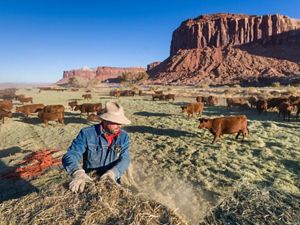
The lands of the Colorado Plateau have a long tradition of ranching that continues today. In the face of a rapidly warming West, there is a growing need to protect the health of rangelands and ensure the long-term sustainability of ranching communities.
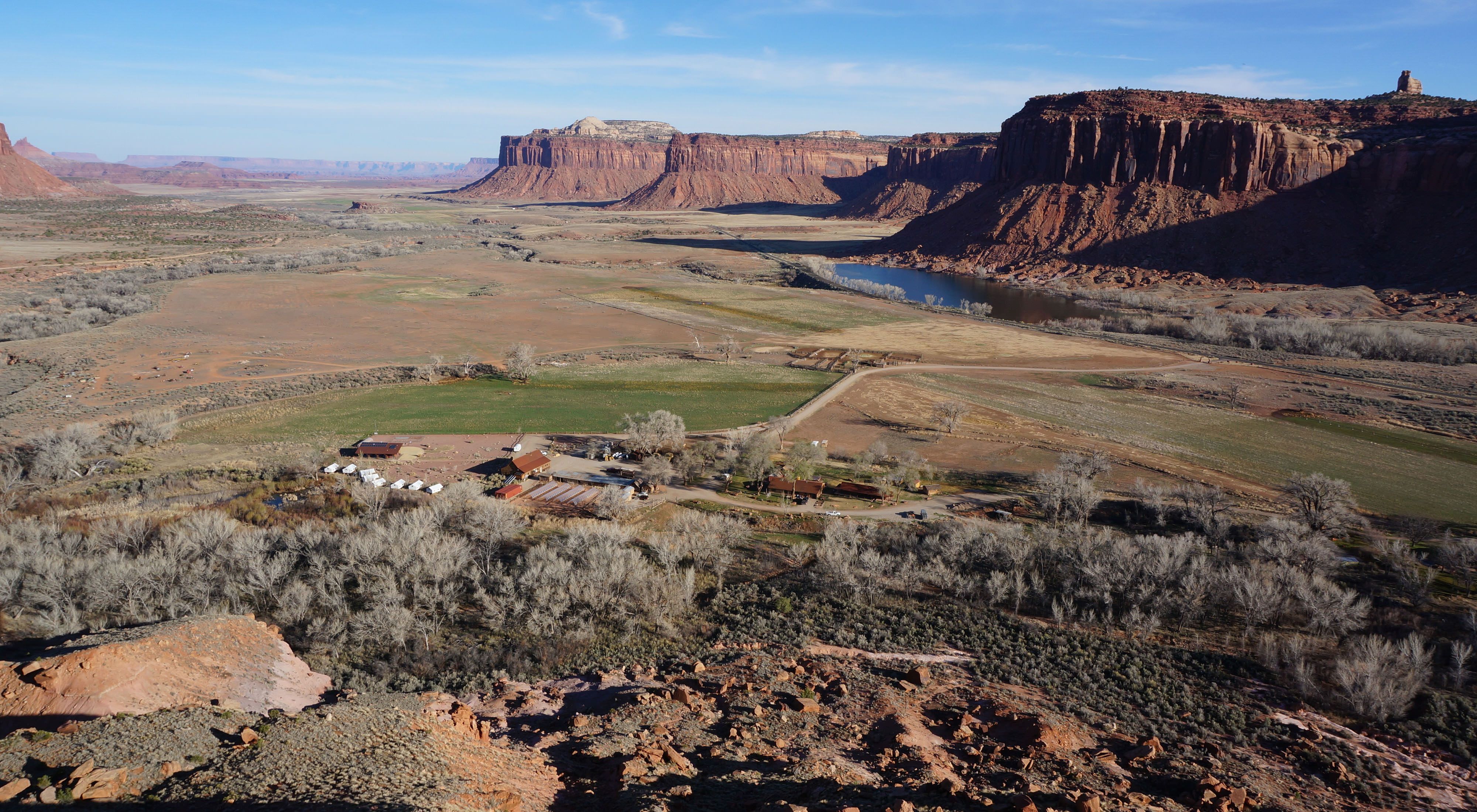
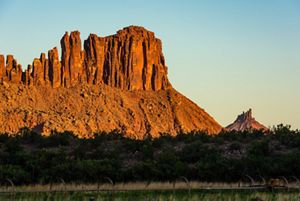
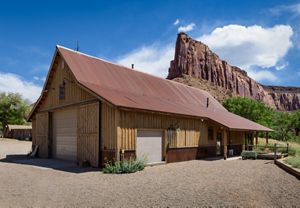
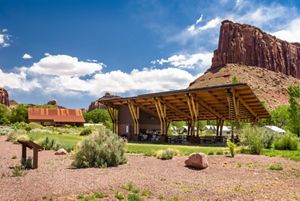
Situated at the gateway to the Needles District of Canyonlands National Park, the historic Dugout Ranch is one of the most significant biological properties on the Colorado Plateau. In 1997, TNC worked with the Redd family, long-time ranchers, to protect the Dugout’s unique lands and waters through conservation and sustainable rangeland management.
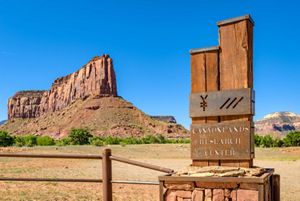
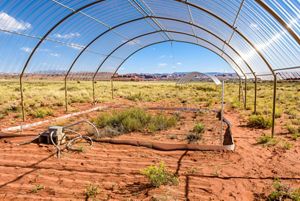
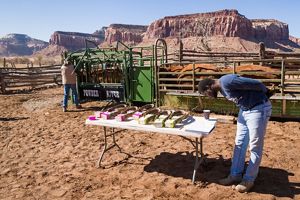
Today, as the home base for the CRC, the Dugout—and the public lands adjacent to it—offers a unique nexus where scientists, partners and ranchers collaborate to develop and demonstrate adaptive ranch and land management strategies to meet human needs in an ecologically sustainable fashion.
The CRC and iconic Dugout Ranch are especially well positioned to:
Test partnerships between ranchers and conservation organizations by measuring how these relationships increase livestock production and benefits to others
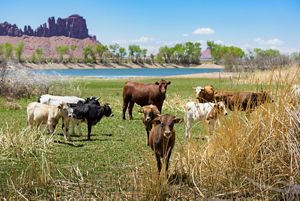
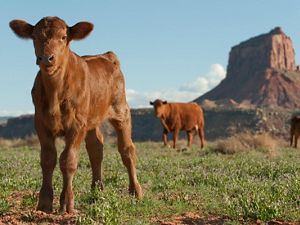
Support sustainable intensification of production, using precision ranching and heritage cattle like Criollo, a Spanish breed that may fare better in a warming climate than the European breeds currently dominating the US beef industry
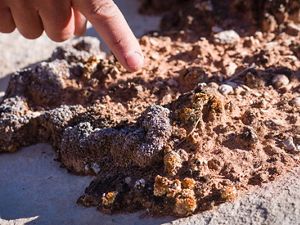
Identify and mitigate risks to grazing lands and communities across the Colorado and Intermountain West posed by climate change and wind erosion
Maintain and increase via restoration the many benefits the Colorado Plateau provides to people and nature
The ideas and solutions generated by the CRC and the Dugout can help create new options for ranchers seeking to remain in business, protect their grazing lands into the future and secure the long-term health of this increasingly arid landscape.